
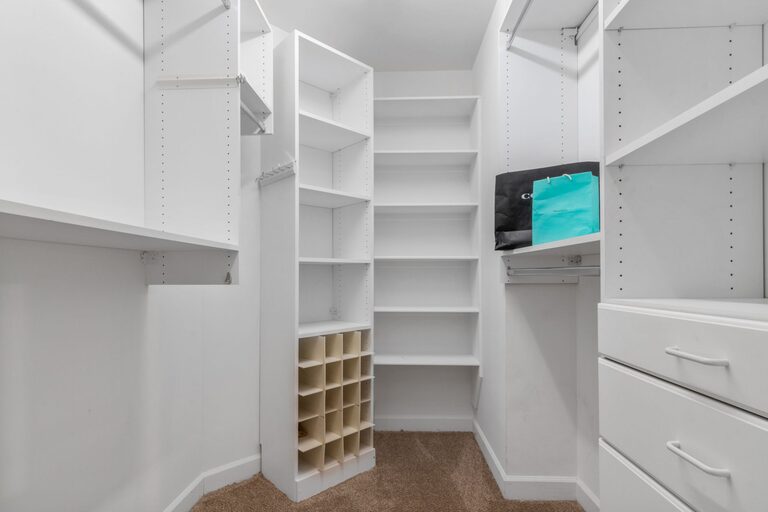
Simple Tips for a Tidy Closet That Stays Organized
A tidy closet can make busy mornings easier and help you get more use from the clothes you already own. The key is not just organizing everything once. A closet stays organized when it is simple to use and easy to reset.
With a few thoughtful changes, you can create a system that fits your space, routine, and wardrobe. Start with a clear plan, choose storage that works for you, and build small habits that prevent clutter from returning.
Start With a Complete Closet Reset
Before adding bins, hangers, or shelves, remove everything from the closet. Working with an empty space makes it easier to see what you have and decide how to use the available room.
Place clothing and accessories in broad groups, such as:
- Tops
- Pants and skirts
- Dresses and suits
- Sweaters and jackets
- Shoes
- Bags and accessories
- Seasonal items
As you sort, check each item carefully. Look for clothes that no longer fit, pieces you never wear, damaged items, and duplicates you do not need. Set aside items to donate, repair, recycle, or discard according to their condition.
Try not to organize items you already know you will not keep. Removing excess clothing first gives you more space and makes the rest of the process much easier.
Use a Simple Keep or Remove System
Closet decisions can become tiring if you spend too long thinking about every item. A simple set of questions can help:
- Does it fit comfortably?
- Have I worn it in the past year?
- Is it in good condition?
- Does it work with other items I own?
- Would I choose to buy it again today?
If an item is useful but currently out of season, place it in a separate seasonal storage group. If you are unsure about something, put it in a labeled “review later” box. Set a date to check the box again in a few months. This keeps uncertain items from taking over your everyday closet.
Avoid keeping clothes only because they were expensive or because you might wear them someday. Your closet should support your current lifestyle, not store decisions you no longer need to make.
Arrange Items in a Way That Matches Your Routine
There is no single correct way to organize a closet. The best layout is the one that helps you find things quickly and put them away easily.
Many people prefer to group clothes by type and then by color. For example, keep all shirts together, followed by pants, dresses, and jackets. Within each category, arrange items from light to dark or from casual to formal.
You can also organize by activity or occasion, such as:
- Work clothing
- Everyday outfits
- Exercise clothing
- Special occasion pieces
- Outerwear
Choose the method that reflects how you get dressed. If you usually plan outfits by activity, organize in that way. If you prefer to build outfits from individual pieces, grouping by clothing type may work better.
Keep the items you wear most often at eye level and within easy reach. Place less frequently used pieces on higher shelves or in less accessible areas.
Choose Matching Hangers
Matching hangers create a cleaner look and help clothing hang evenly. Slim hangers can also free up room, but make sure they are strong enough for heavier items such as coats and sweaters.
Use the same hanger style whenever possible, and face all hangers in the same direction. This small detail makes the closet easier to scan.
Special hangers can help with specific items:
- Use sturdy hangers for jackets and coats.
- Use padded hangers for delicate fabrics.
- Use clip hangers for skirts and pants.
- Use cascading hangers for several related pieces.
Leave a little space between hanging items. A crowded rail makes clothing harder to remove and increases the chance that items will become wrinkled or forgotten.
Make the Most of Shelves and Drawers
Folded clothing should be easy to see, not hidden in tall stacks. Tall piles often become messy when you remove something from the bottom. Instead, use shorter stacks or fold clothes vertically in drawers and baskets.
Vertical folding lets you see each item at a glance. It works especially well for T-shirts, workout clothing, pajamas, and smaller garments.
For shelves, consider using:
- Open baskets for accessories
- Shelf dividers for sweaters and bags
- Small boxes for belts and scarves
- Clear containers for seasonal items
Label containers when their contents are not obvious. Labels are especially useful for items stored on high shelves or in a shared closet.
Avoid filling every container to the top. Leave enough room to remove items without disturbing everything else.
Use Doors, Walls, and Floor Space
The back of a closet door can provide valuable storage space. An over-the-door organizer can hold shoes, scarves, belts, hats, or small bags.
Hooks are useful for items you reach for often, such as robes, jackets, and everyday handbags. Install hooks at a convenient height and avoid hanging too many items on one hook.
If you have floor space, use a low shoe rack or a small basket. Keep pairs together and arrange them so the shoes you wear most often are easiest to reach.
For a small closet, consider adding a second hanging rod, stackable shelves, or under-shelf baskets. Choose additions that improve access rather than simply adding more places to store clutter.
Create a Home for Every Item
A closet stays tidy when every item has a clear home. Decide where each type of item belongs and return it to that location after use.
For example:
- Place everyday shoes on a rack near the floor.
- Keep bags on hooks or an open shelf.
- Store belts and scarves in a small drawer or container.
- Keep laundry in a hamper rather than on the closet floor.
- Use one area for clothes that need repairs or dry cleaning.
A designated spot prevents temporary piles from becoming permanent. It also makes it easier for everyone in the household to follow the same system.
Build Small Maintenance Habits
You do not need to reorganize the entire closet every week. A few minutes of regular maintenance can keep the space under control.
Try these simple habits:
- Put clothes away as soon as they are clean.
- Return shoes and accessories to their assigned spots.
- Remove empty hangers regularly.
- Keep a donation bag nearby for items you no longer use.
- Review seasonal clothing before storing it.
- Spend five minutes each week resetting the closet.
When you take off clothing, decide whether it belongs in the laundry, back in the closet, or in a separate area for airing out. This prevents the chair, floor, or bed from becoming an unofficial storage space.
Review Your Closet Each Season
A seasonal review keeps your closet practical throughout the year. Before storing warm-weather or cold-weather clothing, check each item for damage, stains, or poor fit.
Wash or clean clothing before long-term storage, following the care instructions on the label. Use breathable storage bags or containers, and avoid packing items so tightly that they lose their shape.
When you bring out the next season’s clothing, consider whether your needs have changed. Removing a few unused items during each seasonal change can prevent clutter from building up over time.
The goal is not to create a perfect display. It is to make your closet comfortable to use and easy to maintain. A clear system, sensible storage, and a few regular habits can help your closet stay tidy long after the initial organizing day.
