How to Refresh Your Home with Plants
Plants are one of the easiest ways to refresh your home. They add color, texture, and a sense of life without requiring a major renovation. Whether you have a bright apartment, a small office corner, or a home with limited natural light, the right plants can make your space feel warmer and more inviting.
You do not need a large collection or advanced gardening skills to get started. A few carefully chosen plants, attractive containers, and simple care routines can create a noticeable change. Use the ideas below to bring greenery into your home in a way that fits your style and daily routine.
Start by Looking at Your Space
Before buying plants, take a few minutes to study each room. Notice where sunlight enters, how much floor space is available, and which areas feel empty or dull. This will help you choose plants that are more likely to thrive.
Consider these details:
– Natural light: Is the area bright, moderately lit, or shaded?
– Available space: Do you have room for a floor plant, or would a shelf plant work better?
– Room conditions: Kitchens and bathrooms may be more humid than bedrooms or living rooms.
– Daily activity: Avoid placing plants where they could be knocked over easily.
– Your schedule: Choose low-maintenance varieties if you travel often or have limited time.
A plant should improve your home without making it feel crowded. Start with one or two areas that need the most attention, then add more gradually.
Choose Plants That Fit Your Lifestyle
The best houseplant is one that matches both your space and your habits. Some plants need frequent watering and bright light, while others can handle lower light and occasional care.
For beginners, consider options such as:
– Snake plants: Upright, architectural, and tolerant of less frequent watering.
– Pothos: Easy to grow, with trailing stems that look attractive on shelves.
– Spider plants: Fresh-looking and adaptable, with long, arching leaves.
– ZZ plants: Glossy and sturdy, making them a good choice for busy households.
– Peace lilies: Known for their rich green leaves and elegant white blooms.
– Rubber plants: A strong choice for adding height and bold foliage.
Always check the care label before bringing a plant home. A plant that needs bright, indirect light may struggle in a dark corner, while one that prefers shade may become stressed in strong afternoon sun.
Create a Focal Point
A large plant can transform an empty corner into a visual focal point. Place a tall plant beside a sofa, near an entryway, or next to a piece of furniture that needs more balance.
Plants with upright growth, such as snake plants or rubber plants, work well in narrow spaces. Plants with wider leaves can soften a room with simple or modern furniture. If the plant is still small, place it on a sturdy stand to give it more presence.
When choosing a container, consider the room’s existing colors. A neutral pot can blend into the background, while a colorful or textured container can make the plant a decorative feature. Leave enough space around the plant so its shape remains easy to see.
Add Greenery at Different Heights
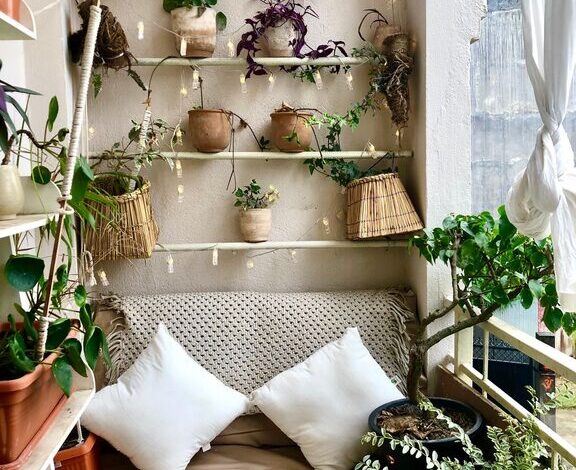
Using several heights makes a plant display look more natural and interesting. Instead of placing every plant on the floor, combine:
– A tall plant in a corner
– A medium-sized plant on a side table
– Small plants on a bookshelf
– Trailing plants on a high shelf
– Hanging plants near a bright window
This layered approach helps draw the eye around the room. It also lets you use small areas that might otherwise go unused.
Plant stands are especially useful because they raise plants closer to eye level and protect them from crowded surfaces. Choose stands in materials that match your furniture, such as wood, metal, or woven fiber.
Refresh Shelves and Tabletops
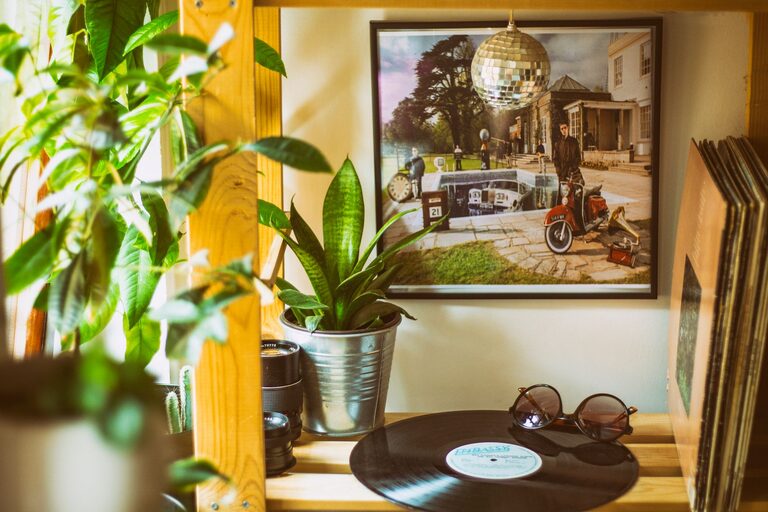
Small plants can make shelves and tabletops feel more personal. Place a compact plant beside books, framed photos, or decorative objects to create a balanced arrangement.
Avoid lining up several identical plants in a straight row. Instead, vary the size, shape, and height of the containers. Leave some open space between objects so the display feels tidy rather than overloaded.
Trailing plants are a good choice for shelves because their stems can gently hang over the edge. Rotate the pot occasionally so the plant grows evenly and does not lean toward one side.
Bring Plants into Unexpected Rooms
The living room is a popular place for plants, but other rooms can benefit from greenery too.
Kitchen
A kitchen windowsill is ideal for small herbs such as basil, mint, or parsley if it receives enough light. Even a simple pot of herbs can add color and make the room feel more welcoming. Use containers with drainage and place a tray underneath to protect the surface.
Bathroom
Some plants enjoy the warmer, more humid conditions found in bathrooms. Ferns, pothos, and spider plants may work well when there is enough natural light. If the bathroom is windowless, consider using a realistic artificial plant instead of placing a live plant in unsuitable conditions.
Bedroom
A small plant on a dresser or bedside table can add a calm, natural touch. Choose a compact variety that will not interfere with lamps, books, or other essentials. Keep the arrangement simple and easy to maintain.
Entryway
The entryway sets the tone for the rest of your home. A tall plant, a small console display, or a hanging planter can make the area feel finished. Be sure to keep walkways clear and use a stable container.
Use Containers to Update Your Decor
Changing a plant’s container can refresh a room even when the plant itself stays the same. Look for pots that complement your existing decor and create a consistent color palette.
Popular container styles include:
– Smooth ceramic pots for a clean, simple look
– Terracotta pots for a warm, traditional feel
– Woven baskets for a relaxed, natural style
– Metal planters for a modern appearance
– Painted pots for a personal touch
Make sure decorative baskets or outer pots do not trap standing water. Keep the plant in a container with drainage holes, and use a liner or saucer to protect floors and furniture.
Group Plants in Simple Arrangements
Grouping plants together can create a small indoor garden effect. Place plants with similar light and watering needs near one another. Combine different leaf shapes and heights, but avoid mixing too many colors or patterns.
A simple group might include:
- One tall plant for height
- One medium plant with broad leaves
- One small plant with a different texture
- One trailing plant to soften the edges
Keep the arrangement easy to reach so you can water and inspect each plant. A beautiful display should also be practical to care for.
Build Easy Care Habits
Healthy plants will keep your home looking fresh for longer. Create a simple routine rather than relying on a strict schedule.
Check the soil before watering. If the top layer feels dry, the plant may need water, but always follow the specific needs of that variety. Remove yellow or damaged leaves, wipe dust from broad leaves, and turn pots occasionally for even growth.
It is also helpful to group plants according to their care needs. This makes watering easier and helps prevent giving too much or too little water.
Refresh Your Home Gradually
You do not have to fill every room with plants at once. Begin with a single focal point, such as a leafy plant in the living room or a small herb display in the kitchen. Once you understand how the plant responds to its location, you can add more.
Plants can change the feel of a home through color, shape, and texture. With thoughtful placement, suitable containers, and manageable care habits, even a few plants can make your space feel brighter, more comfortable, and more connected to nature.

Related Posts

How to Choose Calm Colors for Your Home