
Beginner Tips for Mindful Breathing Breaks
Why Take a Mindful Breathing Break?
A mindful breathing break is a short pause to notice your breath and bring your attention back to the present moment. It does not require special equipment, a quiet retreat, or a large block of free time. Even one or two minutes can create a useful transition between tasks.
Many people move through the day on autopilot. They switch between messages, meetings, errands, and responsibilities without stopping to check in with themselves. A breathing break offers a simple way to pause, notice how you feel, and begin the next activity with more intention.
The goal is not to breathe perfectly or clear your mind completely. Instead, you are practicing gentle attention. When your thoughts wander, you simply notice and return your focus to the next breath.
Start With a Small Time Commitment
Beginners often make the mistake of planning long sessions right away. A more practical approach is to start with a short, manageable break.
Try one of these options:
- Take three slow breaths before starting a new task.
- Pause for one minute after checking your email.
- Set aside two minutes before lunch.
- Use five calm breaths as a transition at the end of the workday.
A short practice is easier to repeat than a long one. Once breathing breaks become familiar, you can extend them if you wish. Consistency matters more than duration.
Choose Natural Reminders
You do not have to rely on willpower alone. Connect your breathing break to something you already do each day. This creates a simple cue that helps the habit fit into your routine.
Useful reminders include:
- When you sit down at your desk
- Before opening a new app or website
- After finishing a meeting
- While waiting for water to boil
- Before getting out of your car
- When you notice yourself rushing
You can also place a small note near your computer, use a gentle phone reminder, or set a visual cue such as a sticker on your water bottle. The reminder should feel supportive rather than demanding.
Find a Comfortable Position
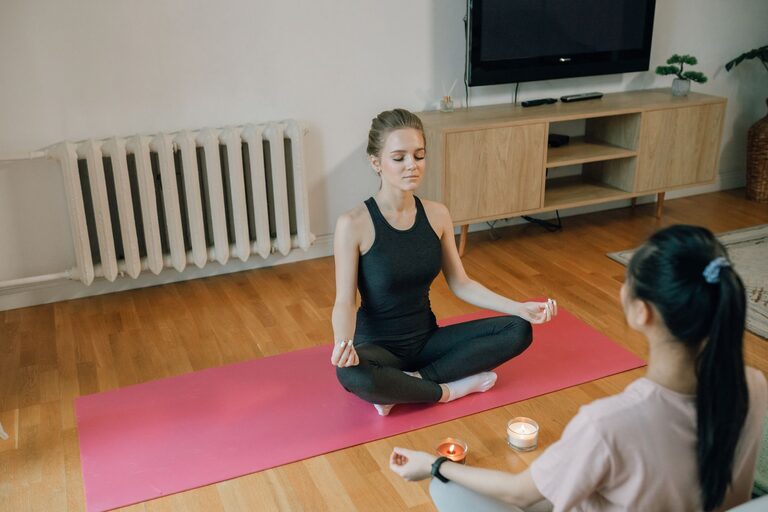
There is no single correct posture for mindful breathing. You can sit in a chair, stand, or even walk slowly. Choose a position that allows you to feel steady and comfortable.
If you are sitting, place both feet on the floor if that feels natural. Let your shoulders rest, soften your hands, and allow your head to balance comfortably. You do not need to sit perfectly straight. Aim for an upright but relaxed position.
If you are standing, let your arms rest by your sides and notice the support of the floor beneath your feet. During a walking break, slow your pace slightly and pay attention to the movement of your feet along with your breathing.
Comfort helps you stay attentive. If a position causes strain or discomfort, adjust it.
Use the Breath as an Anchor
An anchor is something that gives your attention a place to rest. For a mindful breathing break, the breath is a natural anchor because it is available wherever you are.
Begin by noticing your breathing without changing it. Observe:
- The air moving through your nose or mouth
- The gentle rise and fall of your chest or belly
- The length of each inhale and exhale
- The small pause between breaths, if one occurs naturally
There is no need to force deeper breaths. Simply notice what is already happening. If your breathing feels uneven, fast, or shallow, observe it with patience. Your task is to pay attention, not to create a particular result.
Try a Simple Three-Step Practice
This beginner-friendly exercise can take one to three minutes.
1. Pause
Stop what you are doing, if possible. Let your hands rest and allow your attention to move away from your current task.
2. Notice
Bring your attention to one or two natural breaths. Feel the movement of the breath and notice any sensations in your body. You might also observe sounds, temperature, or the feeling of your feet on the floor.
3. Return
When you are ready, gently return to your activity. Take a moment to decide what you want to do next instead of immediately reacting to the next notification or thought.
This simple pattern can be used almost anywhere. Over time, it may become a familiar way to create space between one activity and another.
Expect Your Mind to Wander
A busy mind does not mean you are doing the exercise incorrectly. Thoughts may appear about work, plans, conversations, or unfinished tasks. You may also notice sounds, physical sensations, or emotions.
When you realize your attention has wandered, acknowledge it without criticism. You can silently say, “thinking,” and then guide your attention back to the breath. Each return is part of the practice.
Try not to judge the quality of a breathing break by how quiet your mind felt. Success can simply mean noticing where your attention went and choosing to return.
Keep the Breathing Natural
Many beginners try to control every part of the breath. This can make the exercise feel forced. Unless you are following a specific breathing exercise, allow your breath to remain comfortable and natural.
You can let the exhale be easy and unhurried, but avoid pushing yourself to breathe as slowly or deeply as possible. Mindful breathing is about awareness, not performance.
If you feel lightheaded, uncomfortable, or short of breath, stop the exercise and return to your normal breathing. Sit or stand safely, and choose a gentler approach another time. If breathing discomfort continues, seek appropriate professional guidance.
Make Breaks Work in Real Life
A mindful breathing break does not need to happen in a perfectly quiet setting. You can practice at your desk, on public transportation, in a waiting room, or outdoors. You may keep your eyes open and focus softly on one point if that feels more comfortable.
For a discreet practice, take three ordinary breaths while noticing the contact between your feet and the floor. No one else needs to know you are taking a break.
It can also help to decide in advance what a successful practice looks like. For example, you might commit to one minute after lunch on weekdays. A clear, modest plan is easier to maintain than a vague goal to “be more mindful.”
Build a Sustainable Routine
After a week, consider what worked well and what made the practice difficult. You might ask yourself:
- When was it easiest to pause?
- What reminders did I notice?
- Did I prefer sitting, standing, or walking?
- Was the practice too long, too short, or about right?
Use your answers to adjust the routine. You may discover that several brief pauses suit you better than one longer session. You may also prefer different practices at different times, such as a calming pause before bed and an alert, upright pause before beginning work.
Mindful breathing is a skill built through repetition. There is no need to be perfect. Start with a few comfortable breaths, return when your attention wanders, and let the habit grow at a pace that feels realistic.
